A Curry With a Contested Birthplace
Ask ten people where chicken tikka masala comes from and you'll get ten different answers. Popular legend traces it to a Glasgow curry house in the 1970s, where a chef supposedly improvised a creamy tomato sauce for a customer who complained his chicken tikka was too dry. Food historians push back on the tidiness of that story, pointing to earlier versions of tomato-and-cream-based chicken dishes across the Indian subcontinent and its diaspora. What's not in dispute is that the dish, wherever it was formalized, has become one of the most widely eaten curries in the English-speaking world — a genuine product of migration, adaptation, and the kitchens that bridge two food cultures at once.
What Actually Makes It "Masala"
"Masala" simply means a spice blend, and in this dish it refers to the sauce itself rather than a single ingredient. A proper tikka masala sauce is built on a base of onion, garlic, ginger, and tomato, layered with garam masala, cumin, and coriander, then finished with cream or yogurt to round out the acidity. The spicing is meant to be warm and aromatic rather than aggressively hot — this is a dish designed to be approachable, which is a large part of why it traveled so well outside India.
The Char Comes First
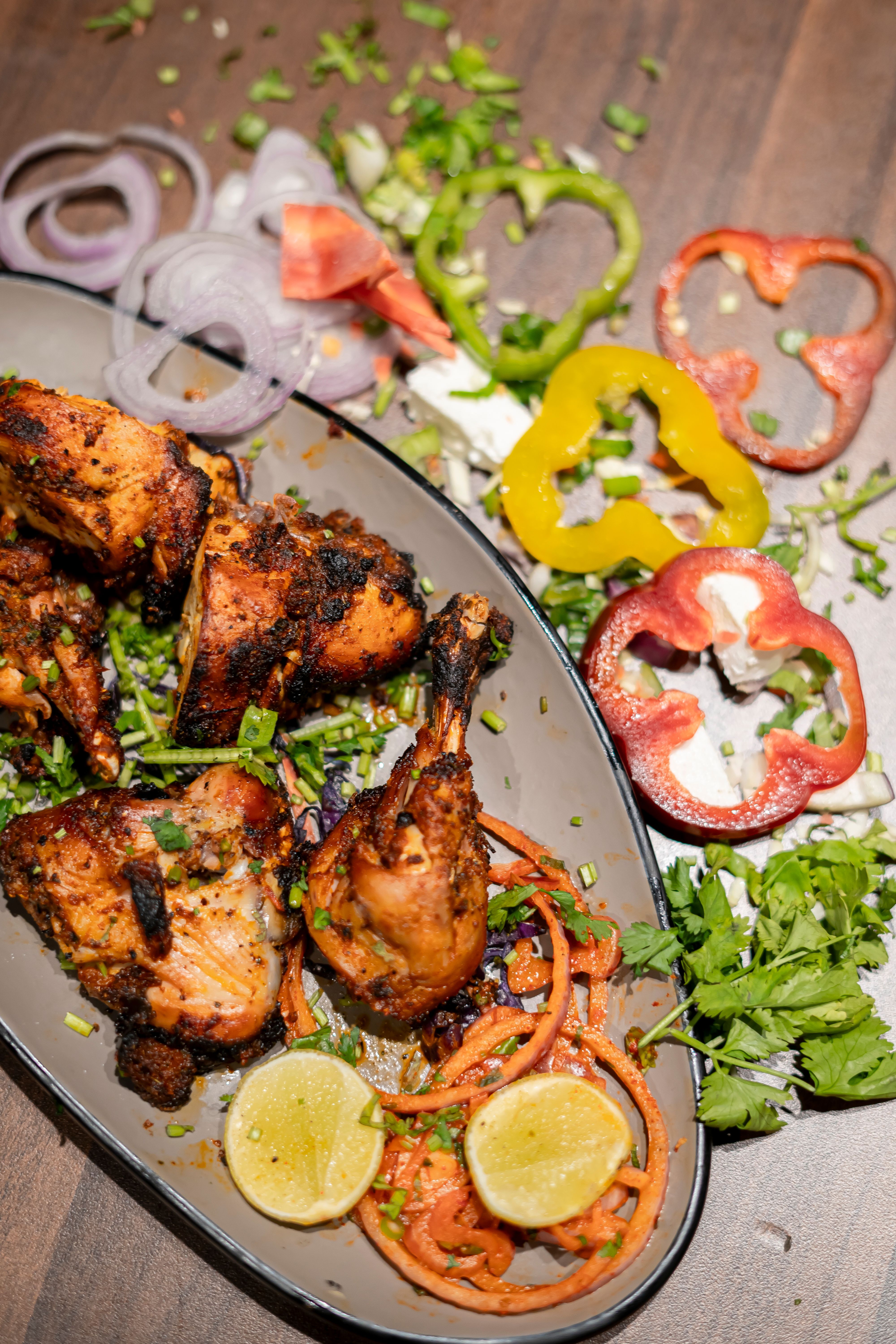
Before any sauce enters the picture, the chicken is marinated in yogurt and spices, then cooked separately — traditionally skewered and roasted in a tandoor, though a very hot broiler or grill gets close. That initial char matters enormously: it's what gives tikka masala its name, and it adds a layer of smoky, slightly blistered flavor that a chicken simply simmered in sauce from the start would never develop. The chicken is only added to the sauce at the very end, which keeps the char intact instead of stewing it away.
Cream, Tomato, and the Balance That Defines It
The defining tension in a good tikka masala sauce is between the tomato's acidity and the cream's richness. Too much tomato and the sauce turns sharp and thin. Too much cream and it goes flat and one-note, losing the brightness that makes the dish interesting bite after bite. The best versions reduce the tomato base slowly first, concentrating its flavor, before the cream is stirred in — a sequencing detail that separates a sauce with real depth from one that just tastes like tomato soup with cream added.
Tikka Masala vs. Butter Chicken
The two dishes get confused constantly, and for good reason — both are creamy, tomato-based, and built around tandoor-cooked chicken. The real differences are subtler: butter chicken traditionally uses more butter and less overt spicing, leaning toward a mellower, richer profile, while tikka masala tends to carry a more pronounced garam masala backbone and a slightly sharper tomato presence. Neither is more "authentic" than the other; they're simply different answers to a similar question.
What to Look For on the Plate
A well-made tikka masala should show visible char marks on the chicken pieces even under the sauce, a sign the tandoor step wasn't skipped. The sauce itself should coat a spoon without being gluey, and the color should lean toward a deep, brick-orange rather than a flat, uniform red — a clue that the tomato was properly reduced rather than just simmered briefly. Served with basmati rice or naan, it should taste layered: char first, then spice, then richness.
Try It at Gastro Bar and Restaurant
The North Indian kitchen marinates and chars its chicken in-house before finishing it in a slow-built tomato and cream sauce. See the North Indian menu or order online.