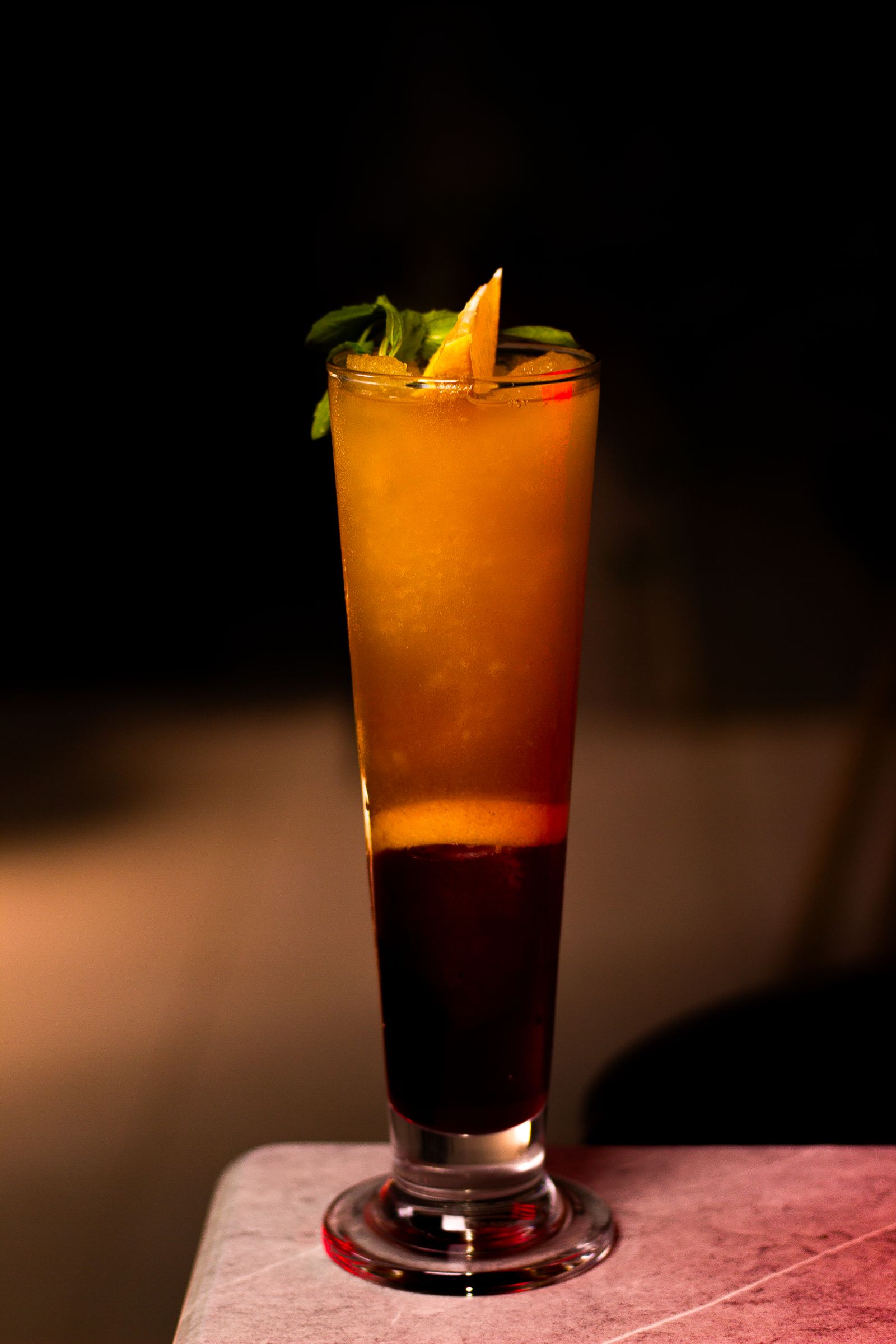
Built to Order, Not an Afterthought
A mocktail used to mean a sad glass of soda and lime handed to whoever wasn't drinking. That's changed considerably — modern bar programs now build non-alcoholic drinks with the same layering of sweet, sour, bitter, and aromatic elements as any cocktail, rather than simply subtracting the spirit from an existing recipe. The best mocktails are designed from scratch around what a specific mix of flavors can do without alcohol, not built as a consolation prize.
The Problem Alcohol Usually Solves
Alcohol does real structural work in a cocktail: it carries aromatic compounds, adds a warming sensation, and provides a certain weight and length on the palate that water-based liquids don't have. Removing it means a mocktail has to find that weight somewhere else — often through ingredients like shrubs (vinegar-based syrups), high-quality bitters, or texture-building elements like egg white foam, which are used in mocktails for exactly the reason they're used in classic cocktails.
Acid Does More Work Than Sugar
The easiest way to make a bad mocktail is to lean entirely on sweetness, which quickly turns flat and cloying without alcohol's bitterness to balance it. Well-built mocktails lean harder on acid — fresh citrus, vinegar shrubs, even a touch of unsweetened tea tannin — to create the same sense of brightness and cut that a spirit-based cocktail gets from proof and bitters.
Bitters Aren't Just for Alcohol
Most cocktail bitters are alcohol-based extracts, but their flavor impact happens in drops, not ounces, so a few dashes add negligible alcohol content while contributing real aromatic complexity — clove, gentian root, orange peel. This is one of the most common tools bartenders use to give a mocktail the same layered depth as a spirited drink, without meaningfully changing its non-alcoholic status.
Carbonation and Temperature Matter More Here
Because a mocktail can't rely on alcohol's slight burn to keep a drink feeling lively, temperature and carbonation carry more of that job. A mocktail served too warm or too flat tastes noticeably duller than the same recipe served ice-cold and freshly carbonated — small service details that matter more here than in a spirited drink with more inherent character.
How to Order One Well
Treat a mocktail order the same way you'd order a cocktail: mention a flavor direction — bright and citrusy, deep and bitter, herbal — rather than just asking for "something without alcohol." A good bar program can build toward that description just as precisely as it would for a gin-based drink, using shrubs, bitters, and fresh juice instead of spirits.
Try It at Gastro Bar and Restaurant
The bar builds a full mocktail menu with the same shrubs, bitters, and fresh juice used in its cocktail program, no shortcuts taken. See the Bar Menu or order online.