Two Different Foods Called "Pasta"
Dried pasta and fresh pasta get treated as interchangeable, but they're really built for different purposes. Dried pasta, made from just semolina flour and water, is designed for structure and shelf life — it holds up to long cooking and heavier sauces without falling apart. Fresh pasta, typically made with soft wheat flour and eggs, is softer, more delicate, and cooks in a fraction of the time. Neither is a lesser version of the other; a good kitchen chooses between them the way it chooses between two different cuts of meat, based on what the dish actually needs.
Egg Yolks Change Everything
The egg is what separates most fresh pasta from dried. Egg yolks add fat and protein to the dough, giving fresh pasta its characteristic yellow color, tender bite, and silky texture once cooked. That extra fat is also why fresh pasta pairs so naturally with butter- and cream-based sauces — the dough itself is already rich, so a lighter sauce can cling to it without the dish tipping into heaviness. Semolina-and-water dried pasta, by contrast, has a firmer, more neutral bite that stands up better to hearty tomato or oil-based sauces.
The Knead Is Not Optional
Kneading pasta dough develops gluten, the protein network that gives the finished noodle its elasticity and chew. Under-kneaded dough tears easily and cooks up mushy; over-kneaded dough turns tough and difficult to roll thin. Most fresh pasta doughs need a solid ten minutes of kneading by hand, followed by a rest under a towel or plastic wrap, which lets the gluten relax enough for the dough to roll out thin without springing back or tearing at the edges.
Why Shape Follows Sauce
In good Italian cooking, pasta shape isn't chosen arbitrarily — it's matched to the sauce it's meant to carry. Long, thin strands like spaghetti or fettuccine are built for sauces that coat evenly, from a simple butter and parmesan to a rich alfredo. Tube shapes like penne have ridges and hollow centers designed to trap chunkier sauces, which is part of why a vodka sauce with its slightly thicker consistency clings so well to penne specifically. Getting this pairing backward is a subtle but real mistake — a delicate cream sauce loses its balance dumped over a shape built to grab something heartier.
Ravioli Is Fresh Pasta's Best Argument
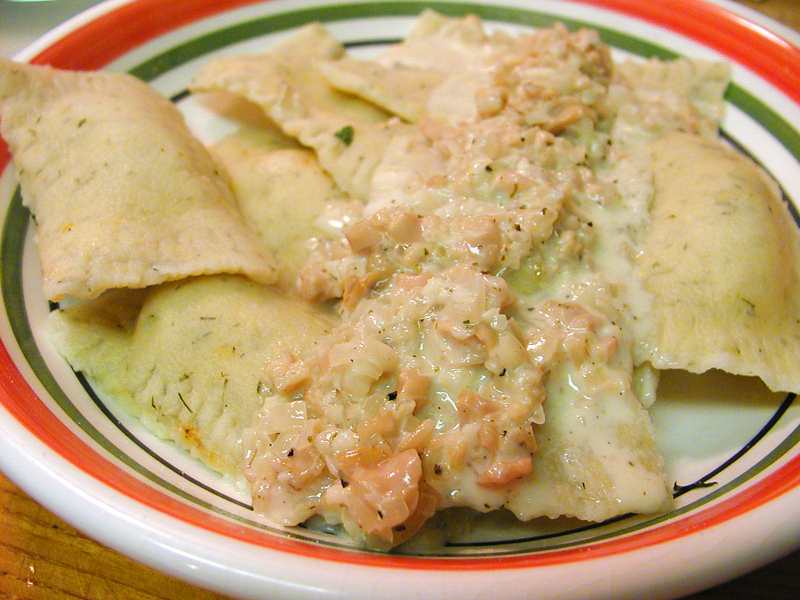
Stuffed shapes like ravioli only really work with fresh dough, since dried pasta is far too rigid to fold, seal, and cook evenly around a filling without cracking. The dough has to be thin enough to cook through quickly without overcooking the filling inside, and pliable enough to seal completely — a torn seam means the filling leaks out into the cooking water instead of staying sealed inside. It's one of the clearest cases where fresh pasta isn't just a nicer version of dried, but the only version that makes the dish possible at all.
How to Tell the Difference on the Plate
Fresh pasta has a softer, more matte surface and a noticeably shorter cook time — often two to four minutes versus eight to twelve for dried. It should taste rich even before the sauce is added, a sign of real egg content rather than just added color. Dried pasta, done well, should have a firmer, more resistant bite — what Italian cooks call al dente — that holds its shape through a longer simmer in sauce without turning to paste.
Try It at Gastro Bar and Restaurant
The Italian kitchen makes fresh pasta and ravioli in-house daily, alongside classic dried-pasta dishes like penne alla vodka and spaghetti and meatballs. See the Italian Menu or order online.